


Thousands of people consider LASIK surgery each year as a path to visual freedom, but questions naturally arise before making this decision. Getting clear, straightforward answers helps you feel confident about your choice.
Keep reading to learn the eight most common questions patients ask about LASIK surgery at Loden Vision Centers. From safety concerns to recovery expectations, you’ll find the information you need to move forward with clarity.
1. Is LASIK Safe?

Yes, LASIK is very safe when performed by an experienced surgeon.
Modern computer-controlled laser technology has made the procedure more precise and predictable than ever before, minimizing risk at every step. The FDA approved LASIK over two decades ago, and millions of procedures have been performed successfully since then, building an extensive safety record.
Serious complications remain rare, particularly when you choose a qualified surgeon with extensive experience. Loden Vision Centers has performed over 100,000 vision correction procedures, with 99% of LASIK patients achieving 20/20 vision or better.
These numbers reflect both advanced technology and surgical skill working together. During your consultation at Loden Vision Centers, the surgical team thoroughly evaluates your eye health and candidacy, checking for any factors that might affect your safety or results before recommending the procedure.
2. Does LASIK Hurt?
No, LASIK doesn’t hurt during the procedure. Numbing drops are applied to your eyes before surgery begins, so you won’t feel pain.
You may experience slight pressure for a few seconds during the corneal reshaping, but most patients are surprised by how comfortable the process feels.
After your procedure, you might notice some mild irritation or a gritty sensation for a few hours. This discomfort is temporary and typically resolves by the next day. Your surgeon will provide eye drops and specific care instructions to keep you comfortable during the initial healing period.
The brief moment of pressure during surgery is nothing compared to years of dealing with glasses and contacts. Patients often describe the experience as easier than they expected.
3. What Are the Side Effects of LASIK?
The side effects you might experience after LASIK are generally temporary and part of your eyes’ normal healing process. Dry eyes, sensitivity to light, and halos or glare around lights at night are the most common, and these symptoms typically improve significantly within the first few weeks after surgery.
Your surgical team at Loden Vision Centers will provide lubricating eye drops and clear care instructions to manage these temporary effects, and the vast majority of patients find that these minor adjustments are well worth the freedom from corrective lenses.
4. What Are the Possible Complications of LASIK?
Serious complications from LASIK are rare, particularly with an experienced surgical team, but there are risks as with any medical procedure. However, most issues that do occur can be addressed effectively with follow-up care or additional treatment.
Some patients need an enhancement procedure if their vision requires fine-tuning after the initial healing period. LASIK enhancement is relatively straightforward and can improve results for the small percentage of patients whose eyes don’t respond exactly as predicted.
Other possible complications include chronic dry eye or ongoing glare, though these remain uncommon. Your choice of surgeon and how carefully you follow post-operative care instructions make a real difference in your outcome.
Dr. Loden and the Loden Vision Centers team bring decades of expertise to every procedure, and during your consultation, they’ll discuss your individual situation in detail, answering all your questions and helping you understand what to expect based on your unique eye anatomy and overall health.
5. How Long Does LASIK Recovery Take?
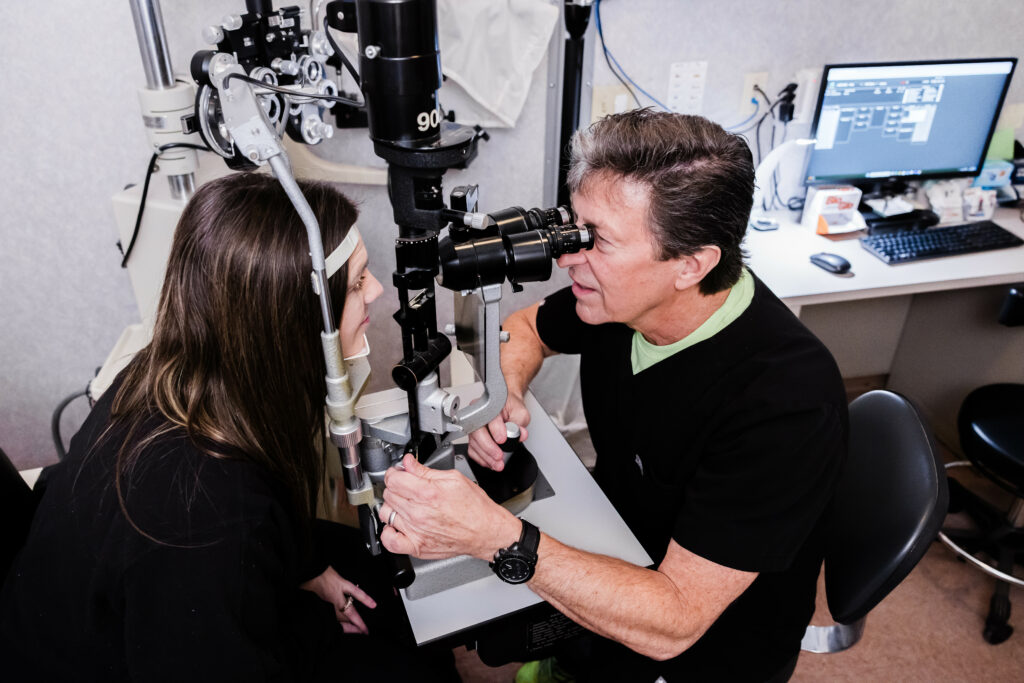
Recovery from LASIK happens remarkably quickly for most patients. Many people notice improved vision within hours of their procedure, with significant clarity by the next morning when they attend their first follow-up appointment. This rapid improvement often surprises patients who expected a longer healing timeline.
Most people return to work and normal activities within a day or two, though you’ll need to avoid swimming, hot tubs, and contact sports for about a week to protect your eyes during the early healing phase. You’ll need to avoid rubbing your eyes while the corneal flap heals and bonds back into place.
Complete healing and vision stabilization typically occur within three to six months, though you’ll enjoy functional vision much sooner.
Your eye doctor will schedule several follow-up visits to monitor your progress and address any concerns. The speed of recovery is one reason many patients appreciate choosing LASIK for vision correction, since the procedure fits easily into busy schedules without requiring extended time off.
6. How Long Do LASIK Results Last?
LASIK permanently reshapes your cornea, which means the correction it provides is long-lasting. Most patients enjoy stable, clear vision for many years or even decades after their procedure, with the vast majority never needing glasses or contacts for distance vision following successful surgery.
That said, LASIK doesn’t prevent age-related vision changes that happen to everyone. If you’re over 40, you may eventually develop presbyopia, the natural difficulty focusing on close objects that comes with aging. This happens regardless of whether you’ve had LASIK because it involves the lens inside your eye, rather than the cornea that LASIK reshapes.
You might need reading glasses for close-up tasks as you get older, though your distance vision will remain clear. In rare cases, your vision may shift over time due to other factors, and an enhancement procedure can address this if needed.
7. What Is the Success Rate of LASIK?
LASIK has an impressive track record. At Loden Vision Centers, 99% of LASIK patients see 20/20 or better, which speaks to the skill of the surgical team and the advanced technology used.
Patient satisfaction rates are equally high. Most people who have LASIK report that they would choose the procedure again and recommend it to others. However, individual results can vary based on your specific prescription, eye anatomy, and healing response. Setting realistic expectations during your consultation helps you understand what LASIK can achieve for your unique situation.
8. How Much Does LASIK Cost?
LASIK costs vary based on several factors. The technology used, the surgeon’s experience, and the level of customization all influence the final price. Advanced blade-free LASIK with custom wavefront technology represents the higher end of this range because of superior precision and outcomes.
Many practices, including Loden Vision Centers, offer financing options to make LASIK more accessible. Monthly payment plans can be as low as $149, making the procedure manageable for many budgets. Some flexible spending accounts (FSAs) and health savings accounts (HSAs) can also be used for LASIK expenses.
When comparing prices, consider what’s included: pre-operative care, the procedure itself, post-operative visits, and any enhancement guarantee. Investing in an experienced surgeon with proven results and advanced technology often provides better value than choosing based solely on the lowest price.
Take the Next Step Toward Clear Vision
LASIK surgery offers a safe, effective path to visual freedom for most people. With modern technology, experienced surgeons, and high success rates, the procedure has helped millions see clearly without glasses or contacts. Ready to learn if LASIK is right for you? The experienced team will evaluate your eyes, answer any remaining questions, and help you discover which vision correction option will give you the clearest possible sight.


